Quick answer
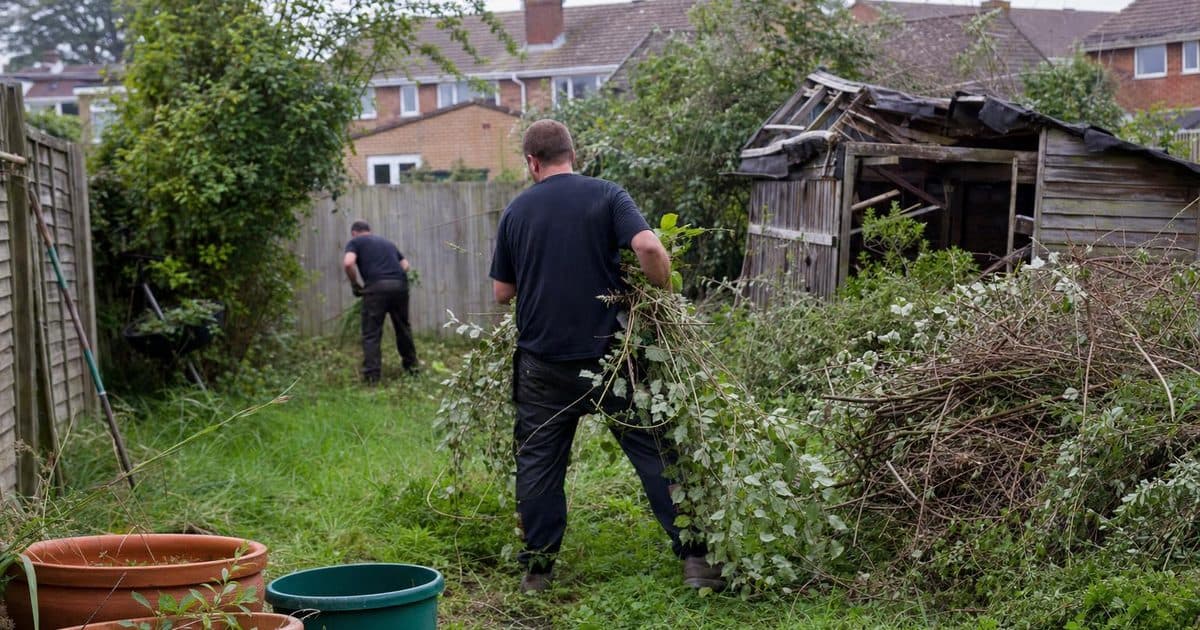
Garden clearance usually covers green waste, broken fencing, branches, old pots, shed contents and other outdoor rubbish. If access is awkward or the garden is heavily overgrown, mention that when asking for a quote.
What garden clearance covers
Garden clearance is a practical way to tidy up outdoor areas when waste has built up faster than you can manage it. In Eastleigh, that often means a mix of seasonal cuttings, old garden items and bulky rubbish that does not fit into normal household waste collections.
A typical clearance can include green waste such as branches, hedge trimmings, leaves, grass cuttings and weeds. It can also cover broken plant pots, soil, compost bags, timber offcuts, damaged furniture and general clutter left in sheds, patios or side returns.
If the job is more than a simple tidy-up, it can still be handled in one visit. Many gardens need a combination of Garden Clearance, Shed Clearance and sometimes Shed Demolition if the structure is beyond repair.
Spring and summer garden clearance tasks
Spring is usually the time when people notice what winter has left behind. By summer, the aim is often to clear enough space to enjoy the garden properly, whether that means mowing, planting, storing outdoor furniture or simply making the area easier to use.
Spring clean-up
Spring clearance often starts with the basics: removing dead plants, cutting back growth that has spread into paths, and collecting the debris left after windy weather. This is also a good time to deal with broken trellis, damaged fencing, old tubs and items that have been sitting outside for months.
- Clear away leaves, twigs and other winter debris.
- Separate green waste from non-organic rubbish.
- Remove broken plant supports, pots and old garden décor.
- Check sheds, corners and behind fences for forgotten clutter.
Summer preparation
Once the weather improves, many people want the garden ready for family use, barbecues or simple day-to-day enjoyment. That often means clearing space around patios, getting rid of worn-out furniture and removing overgrown sections that block light or access.
If you are planning to repaint fences, replace decking, lay new gravel or make other improvements, it helps to clear the site first. A tidy base makes later work easier and reduces the chance of waste getting spread around again.
Clearing an overgrown garden safely
An overgrown garden can look daunting, especially if there is no easy path through it. The safest approach is usually to work in sections and remove waste in stages rather than trying to do everything at once.
Start by identifying clear access routes, then move loose items first so the area is easier to navigate. Long grass, thorny growth, damp soil and hidden debris can all make a garden harder to work in, so it is sensible to wear sturdy footwear and gloves if you are tackling any part of it yourself.
For larger jobs, it is often quicker to arrange a full clearance so the waste can be loaded and removed without repeated trips to the tip. That is especially useful when the garden includes heavy bags, awkward timber, fence panels or mixed rubbish.
When the job is more than green waste
Many Eastleigh gardens contain more than clippings and weeds. You may also find old bicycles, plastic storage boxes, broken tools, slabs, roofing felt from an old shed, or remnants of a DIY project. Mixed waste usually takes more planning than a simple hedge cut, so it helps to describe everything clearly when you request help.
If there is a damaged outbuilding, a clearance may need to be combined with Shed Demolition or Garage Clearance if the clutter has spread into other storage areas.
What happens to the waste
Once the waste is collected, it is sorted so different materials can be handled in the right way. Green waste, wood, metal, plastics and general rubbish are usually separated where possible. That makes the disposal process more organised and helps keep the job efficient.
Garden waste is often very different from mixed household rubbish, so it helps to know what is being removed before the team arrives. If there are bulky items mixed in with the garden waste, say so in advance so the right vehicle and equipment can be used.
| Garden item | Typical handling |
|---|---|
| Branches and hedge cuttings | Loaded as green waste |
| Broken fencing or timber | Separated from loose green waste |
| Old pots, ornaments and tools | Removed with mixed garden rubbish |
| Shed contents | Sorted with other clearance waste |
How to prepare for a quote
A clear description of the job makes it easier to get an accurate quote. If possible, walk around the garden and make a note of the main items to remove, the amount of green waste, and whether anything is heavy, bulky or difficult to reach.
It also helps to mention whether the garden is accessible through a side gate, whether waste is spread across the whole space, and whether there are steps, narrow paths or low branches that may slow the work down. If the area is heavily overgrown, a photo can be useful because it gives a better sense of the scale of the job.
When planning the clearance, you may find it helpful to think about:
- what needs removing immediately and what can stay
- whether the garden contains only green waste or mixed rubbish
- if any items need dismantling before removal
- how easy it is to carry waste from the garden to the vehicle
- whether you want shed clearance or demolition included
For larger household jobs that extend beyond the garden, related services such as House Clearance or Domestic Waste Removal may also be useful.